MARLBOROUGH’S 2023 HARVEST

MARLBOROUGH”S 2023 HARVEST – GROWING CONDITIONS

A wet spring kicked off lush growth in the vines this year. This made for healthy canopies but meant growers had to stay alert to avoid disease. We thought we were on the home straight after some sunny weather over Christmas, and our thoughts started turning towards vintage. However, in late January a series of torrential storms and flooding crashed through NZ’s North Island. Our hearts went out to friends and family in Auckland, Hawkes Bay and Gisborne, were many homes and properties were damaged. We were, however, thankful that the storms did not reach Marlborough.

We watched the forecast and the skies anxiously, but, miraculously, Marlborough was spared the worst of the weather.  Tucked away in the lee of the Kaikoura Mountains and the Richmond Ranges, we were sheltered from the storms. Marlborough weather remained relatively settled and on track for vintage. The vineyards were spared and grapes were able to slowly ripen in peace.

Autumn weather leading into harvest was settled, as usual in Marlborough, with still clear days, crisp mornings and blue skies. It was the sort of weather that has George eyeing up his plane or his mountain bike.

When vintage finally rolled around, a little later than previous years, the grapes were in great condition. The slightly later, slower harvest allowed fantastic flavours to develop. Consequently the 2023 vintage is looking like one of Marlborough’s strongest for years.

MARLBOROUGH”S 2023 HARVEST – THE FINISHED WINES

Like 2022, this was a year where the Awatere Valley performed strongly and fruit from this sub-region contributes to over 50% of The Better Half Sauvignon Blanc. The flavours are ripe and intense, with juicy acidity and a long finish.

Pinot Noir is still maturing in barrel but this variety’s grapes were small and full of flavour.  Although it’s still early, the initial signs are of concentrated, intense wines wines.

We can’t wait to pour you a glass.
 

WHY KIWI BIRDS AND COASTLINES MATTER: HOW TO BE A BETTER COASTAL GUARDIAN

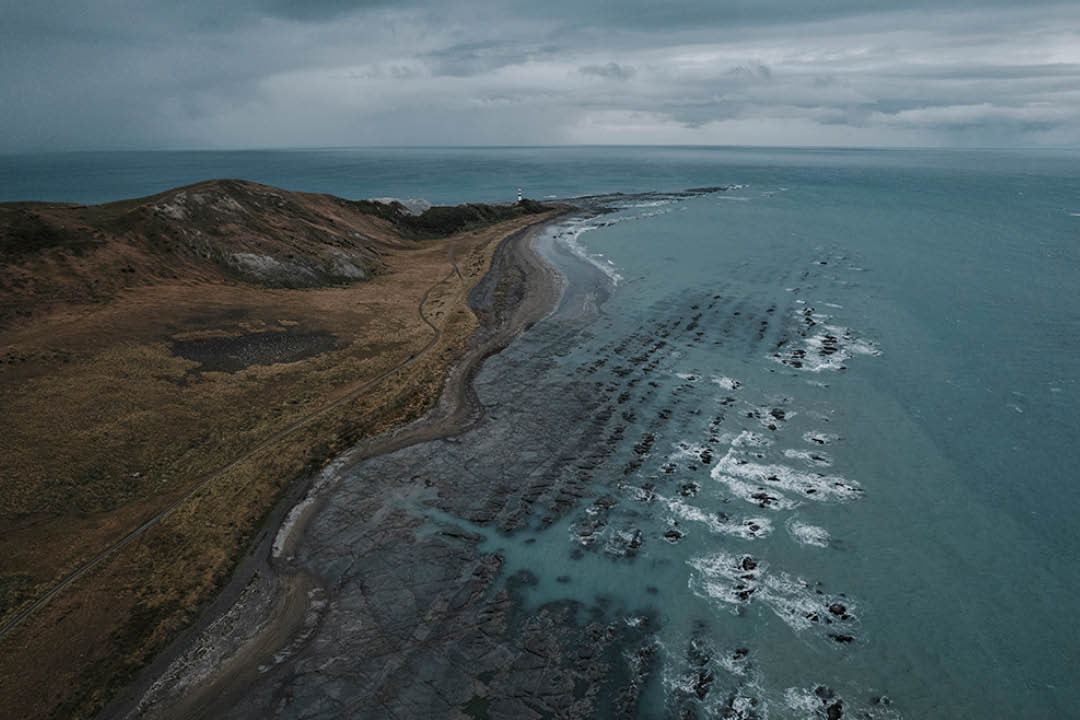
If you think Marlborough is just cellar doors and vineyard picnics, let us introduce you to the wild East Coast — a rugged run of shoreline from Marfells Beach to the Waima/Ure River, where seabirds nest on the foreshore, craggy bluffs glow in late light, and the Pacific stretches on forever.

But here’s the thing: our coast isn’t just stunning. It’s vulnerable. Protecting this stretch of New Zealand coastline is important to George and The Better Half Wine team,  and every visitor can help protect these coastlines and make an important contribution — whether they’re hikers, dog‑walkers, divers – or sunset‑chasers with a wine glass in hand.


Today we’re breaking it down into simple, practical ways you can help – it’s easy wins for you, and huge wins for our wildlife.


WHY MARLBOROUGH’S EAST COAST NEEDS US

New Zealand’s East Coast, especially the wild stretches of Marlborough, is a hotspot for ground‑nesting shorebirds. The stars of the show include:

  • Banded dotterel — delicate, perfectly camouflaged, and very good at pretending to have a broken wing to lure you away from a nest you can’t see. They nest right on the sand and shingle.
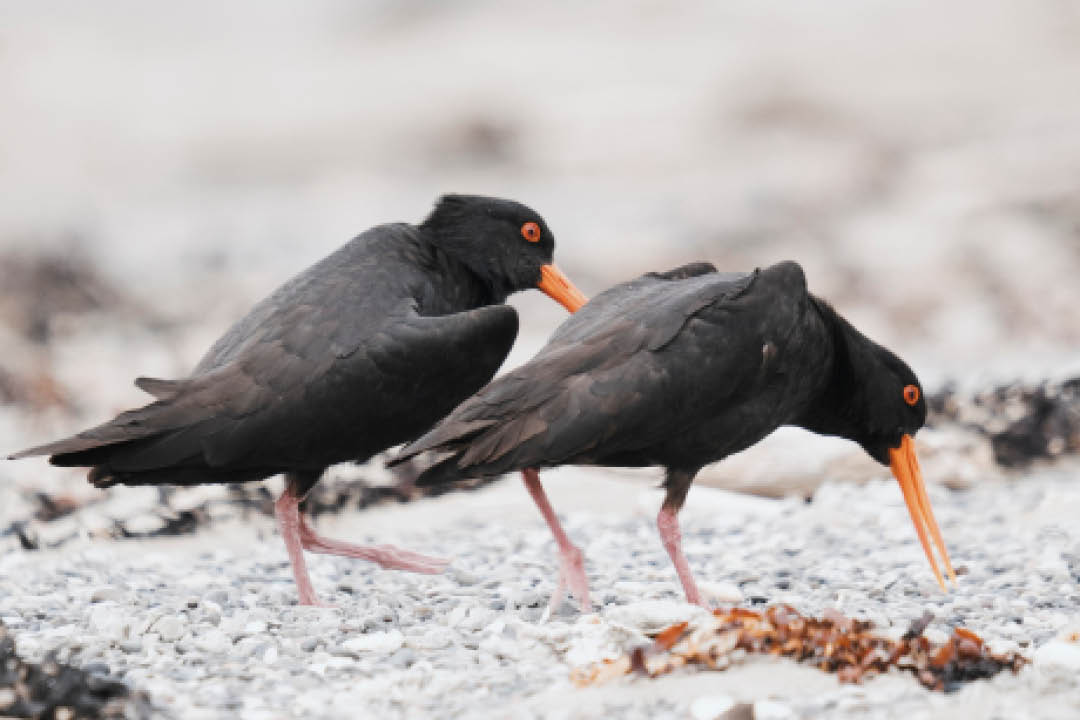
  • Variable oystercatcher / tōrea pango — black plumage, bright orange bill, often patrolling the tide line. (They’re bold, and we love them.)
  • Black‑fronted tern / tarapirohe — a graceful, endangered river‑nesting tern that forages along the coast; ECPG championed it in Bird of the Year 2025 to raise awareness.

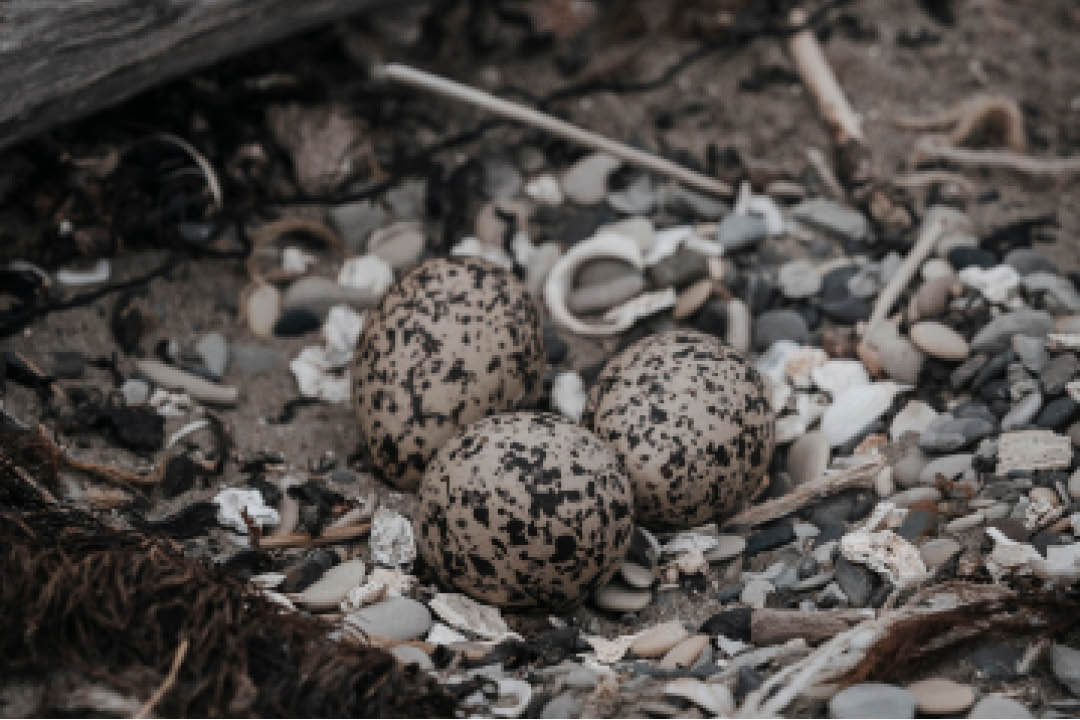
Why the extra care? Because nesting season (roughly August–February) is a tough time to be a shorebird: cats, hedgehogs, stoats, off‑leash dogs, and beach vehicles can turn a good season into a disaster. Many of these birds nest right on the beach: tiny scrapes in the shingle, totally invisible to the untrained eye. That means we all have to take extra care when visiting our coastline.

Knowing how to protect New Zealand coastlines means understanding that every small behaviour change helps these species survive.


WHO IS PROTECTING MARLBOROUGH’S COASTLINE?


The East Coast Protection Group was founded in 2017 by local landowners and conservation‑minded neighbours after they began comparing the lighthouse keepers’ notes and early records of Cape Campbell’s beaches with what they were seeing on the ground — far fewer birds than the “thousands” once described. The 2016 Kaikōura earthquake added a new challenge: uplifted reef platforms that changed sealife habitats and made some beaches easier for vehicles to access, compounding pressures on nesting shorebirds.


Since then, The group has protected this stretch of coastline, coordinating predator control, native plantings, monitoring birdlife and breeding success, and facilitating visitor education along roughly 42 km of foreshore from Marfells Beach to the Waima/Ure River. And The Better Half Wines is proud to support this work as a founding sponsor.


How to protect New Zealand Coastlines - The Beautiful Cape Campbell Peninsula
How to protect New Zealand Coastlines - Variable Oystercatchers on Marfell's Beach
How to protect New Zealand Coastlines - Variable Oystercatchers nesting near Cape Campbell
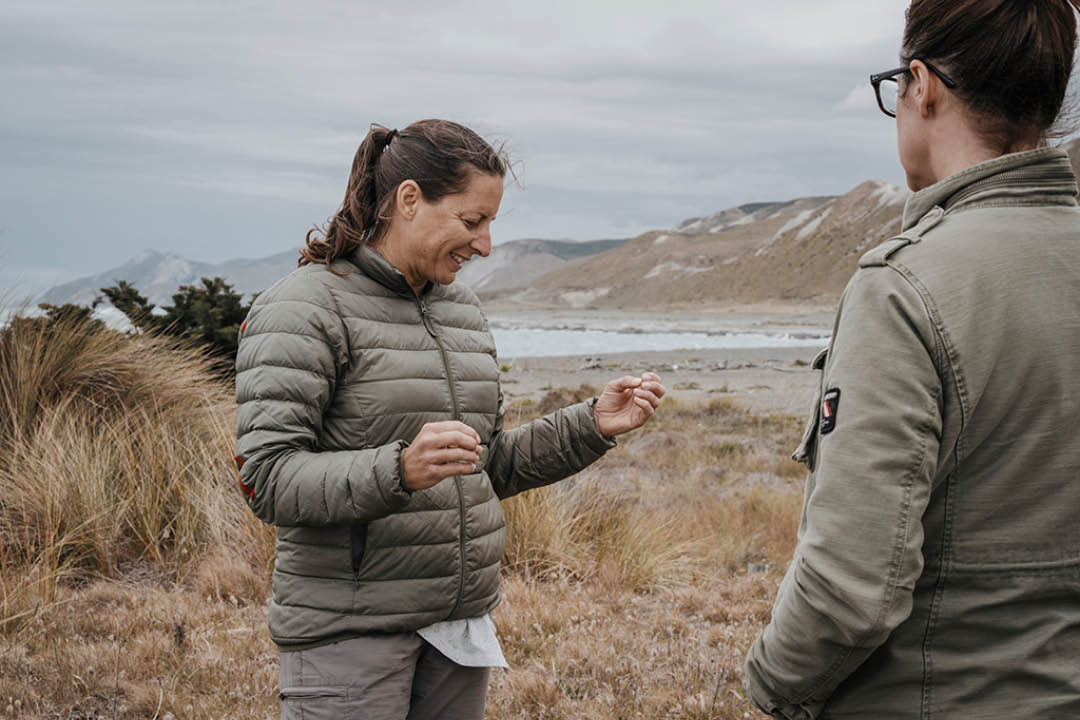
How to protect New Zealand Coastlines - Seabird monitoring and protection near Cape Campbell

FIVE EASY WAYS TO BE A BETTER COASTAL GUARDIAN

Here’s how you can protect New Zealand coastlines without making big changes — just be conscious of these five points on your next beach outing.


1. STICK TO FIRM SAND – ESPECIALLY IN NESTING SEASON (Aug-Feb)

Birds like tūturiwhatu/dottrels nest above the high‑tide line. Walking lower on the beach helps avoid crushing eggs hidden in plain sight. Small action, massive impact.


2. KEEP DOGS ON LEADS

We love dogs. Birds do not. A single sniff or paw print can destroy a nest. Even well‑behaved dogs are perceived as predators. If you want to know how to protect New Zealand coastlines, this is one of the easiest, most effective steps.

3. LEAVE VEHICLES OFF THE BEACH

Tide lines are wildlife motorways. Nesting zones are impossible to see from a vehicle. And wheel ruts trap tiny chicks.If you must drive beach access routes, stick to designated zones and watch for red‑zone restrictions — they’re there to save lives.


4. GIVE WILDLIFE SPACE (AND TAKE THE LONG WAY ROUND)

If a bird starts flapping, shrieking, or pretending to be injured — watch out! You’ve just walked too close to a nest. Back away slowly and give them the space they’re begging for. This is Coastal Guardian 101.


5. SUPPORT LOCAL CONSERVATION GROUPS

Groups like the East Coast Protection Group (ECPG) are doing heroic, hands-on  work with predator trapping, weed control, public education, and wildlife monitoring. Liking their posts, joining a planting day, donating, or simply respecting their signage is a genuine way to help.


HOW WINE FITS THIS STORY

At The Better Half Wines, we work, play, and unwind along the same coastlines we’re talking about here. That’s why we support conservation initiatives and encourage people to learn how to protect New Zealand coastlines — because these places shape our wines, our lifestyle, and the landscape we love .If you’re exploring the Marlborough coast, our favourites to bring along (responsibly) are:

Just remember to pack out everything you pack in — be a tidy kiwi!


BEING A COASTAL GUARDIAN ISN’T COMPLICATED

It’s not about perfection. It’s about paying attention.

It’s about knowing how to protect New Zealand coastlines in small but meaningful ways: where you walk, where your dog walks, how you drive, and how you interact with an environment that’s older, wilder, and more vulnerable than we sometimes realise. If everyone took one small step the next time they visited the coast, we’d see an enormous difference — for kiwi, for seabirds, and for the breathtaking beaches we’re so lucky to call home. Here’s to protecting the coast — and raising a glass to it, too.